Unleash The Important Role of 3D Ultrasound in Modern Pregnancy Experiences

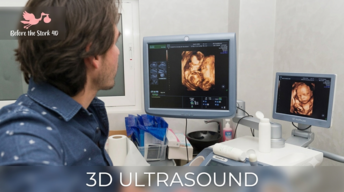
3D ultrasound scan showing a baby during a modern pregnancy experience

Pregnancy is a huge adventure with excitement, suspense, and some vital milestones. Each step brings up new questions along with an anticipation of meeting the baby very soon. High-end imaging technologies have improved our experience with pregnancy by letting us see the unborn child very clearly before he or she comes into this world. 3D Ultrasound is one of the prodigies of modern technology in imaging, as it produces images that give parents a better understanding of what is happening with their child, along with helping in pregnancy care.

Traditional imaging provided only flat images; however, with 3D technology, depth and shapes are produced, which makes it possible to see body shapes and features more clearly than ever. This discovery allowed parents of the future child to feel the child psychologically and also learn about its development better.

How 3D Ultrasound Creates Detailed Images

Three-dimensional ultrasound creates multiple two-dimensional pictures from different angles and uses specific software to join them into one three-dimensional photo. Thus, clinicians and families can see the representation of the baby’s face, hands, feet, and features in more detail.

The quality of images depends on a number of factors such as the position of the baby, volume of amniotic fluid, length of pregnancy, etc. Although every case is unique, the technology used provides people with images that they are unable to get with a typical two-dimensional scan.

The Growing Place of 3D Ultrasound in Pregnancy Care

Modern prenatal care combines routine medical evaluations with advanced imaging techniques that help monitor fetal development. 3D Ultrasound has become an important option for families who want a more detailed visual experience while following their healthcare provider’s recommendations.

Parents often search online for 3D Ultrasound near me when planning an appointment that fits their pregnancy timeline and personal preferences. Choosing an experienced imaging center helps ensure a comfortable experience throughout the visit.

Understanding the Best Time for Pregnancy Imaging

Timing is very important when it comes to ensuring clear images during pregnancy. Various stages give various images of the fetus, and therefore health professionals advise that scans should be scheduled depending on the development of each pregnancy.

Early appointments normally revolve around confirmation of pregnancy and early development. Later in pregnancy, the baby has less space to maneuver around; hence, depending on its position, good images will be hard to get.

The Difference Between Imaging and Genetic Testing

In the course of their pregnancy, many parents might become aware of imaging services and laboratory tests, which leads to questions about the distinctions between the two. Imaging techniques generate photographs from within the mother’s womb, while laboratory tests are used to examine genetic material obtained from suitable samples. For instance, a DNA gender test allows for the identification of the fetus’s sex based on a comprehensive analysis of genes under medically appropriate conditions.

This is an entirely different matter than ultrasound imaging, which makes use of sound waves for image production. Since each method serves different purposes, medical providers can recommend what procedure is applicable in a particular situation. Gaining an understanding of the differences leads to making sound judgments aligned with professional medical recommendations in the course of pregnancy.

Preparing for a Comfortable Imaging Appointment

Most of the time, preparing for an ultrasound is an easy process. Patients are typically advised to pay attention to any recommendations from the imaging facility before getting there. Patients may need to drink water, depending on how far along they are, or wear loose clothes for the procedure.

During the exam, the sonographer puts some gel on the abdomen and moves a device around it. A sound wave travels through the body and comes back to the machine, which runs the software that gives clear pictures of the body. Parents searching for “3D ultrasound near me” consider the availability of appointments, experienced staff, and the facility itself.

Capture Every Precious Moment Before Your Baby Arrives

When you want to undergo pregnancy imaging, do not forget to choose a provider who is known for comfortable and professional services. Advanced prenatal imaging is something that can be explored further, so talking to experienced professionals might boost your knowledge about what to expect at all different stages of pregnancy. Searching online for “3D Ultrasound near me”? Schedule your appointment with the reputable center and discuss when the right time is for your pregnancy. Pregnancy is a time full of moments to remember, and due to modern imaging equipment, many of those moments can be experienced before the birth of the baby.

Advanced ultrasound imaging allows parents to get great images of the fetus, helping parents better understand fetal development along the way while keeping meaningful memories of the pregnancy. This process complements the regular pregnancy management process and improves the overall pregnancy experience when used properly. Whether families are interested in different types of imaging or are discovering what kind of prenatal testing is now available, it is necessary to make the right choices and consult specialists when making decisions regarding imaging techniques. Before the Stork 4D shares a vision of creating an environment where people will get the best pregnancy imaging and guidance during their future pregnancy journey. Find more details at beforethestork4D@gmail.com or (714) 693-2444.

FAQs

1. What makes 3D ultrasound different from a standard ultrasound?

Traditional ultrasound technology produces flat images, while 3D imaging uses numerous images to give a more informative one. Its purpose is to inform parents about their child’s physical attributes in greater detail. The key process of both methods is based on sound waves, yet technological outcomes differ greatly.

2. When is the best time to schedule a 3D ultrasound?

Timing of procedures may vary individually based on the development of pregnancy and medical advice from a doctor. Lots of parents prefer visiting clinics during later stages of pregnancy when features of the baby’s face have become more visible. However, the quality of the images depends on the position of the baby and other natural conditions of the nature.

3. Is a DNA gender test the same as an ultrasound?

The answer is negative because the two processes are not the same. DNA gender test is conducted through analysis of DNA in a lab, in contrast to an ultrasound, where sound waves are used to produce images of a fetus. Their objectives are different, and each of them is used in particular situations according to doctors’ recommendations.

4. How should I prepare before my ultrasound appointment?

Preparations are set differently according to the phase of pregnancy and requirements of a certain imaging center. Drinking water before the doctor’s appointment might be asked of you on some occasions. Instructions provided to you have to be followed in order to have the best conditions for imaging.

5. Can 3D ultrasound replace routine prenatal medical care?

The answer is negative because advanced imaging does not replace standard prenatal care. It is used in tandem with standard examinations. You should strictly stick to your doctor’s recommendations during your pregnancy.


What Are the Benefits of 3D Ultrasound During Second Trimester

3D ultrasound during second trimester
Pregnancy transforms from abstract anticipation into visible reality during the second trimester. Movements strengthen, anatomy becomes clearer, and diagnostic imaging plays a greater role in monitoring development. At this stage, 3D Ultrasound offers enhanced visualization that supports both medical evaluation and emotional reassurance. Before the Stork 4D understands that advanced imaging can bridge science and bonding in meaningful ways. This phase of pregnancy often brings structural assessments, growth tracking, and anomaly screening. Three-dimensional imaging adds depth perception to traditional scans, providing detailed surface rendering and anatomical clarity. The following sections explain how this technology contributes to prenatal insight while maintaining safety and diagnostic precision.

Benefits of 3D Ultrasound During Second Trimester

1. Enhanced Fetal Visualization

During the second trimester, fetal organs and facial structures have developed enough to be clearly defined. Three-dimensional imaging converts soundwave data into volumetric images, allowing providers to evaluate contours and proportions more precisely. This detailed rendering supports improved structural assessment compared to flat two-dimensional views. Surface imaging improves evaluation of facial symmetry, limb formation, and spinal alignment. It has been used to observe developmental milestones with higher clarity. As anatomy becomes more visible, medical teams can identify irregularities earlier, guiding appropriate monitoring and care planning when needed.

2. Improved Detection of Structural Anomalies

Second trimester screening often focuses on identifying congenital abnormalities. Advanced imaging offers clearer visualization of facial clefts, neural tube concerns, and limb positioning. Enhanced depth perception allows subtle variations to be observed more accurately than standard imaging alone. When families search for 3D Ultrasound near me, they often seek reassurance alongside diagnostic value. Volumetric imaging contributes to earlier recognition of structural concerns, which may influence clinical decisions. Early identification allows medical professionals to coordinate follow-up evaluations or specialized consultations.

3. Better Assessment of Facial Development

Facial formation progresses significantly during this stage of pregnancy. Three-dimensional imaging produces lifelike representations of facial features, supporting evaluation of lips, nose, and orbital spacing. This detailed perspective can assist in confirming normal development or identifying minor irregularities. Beyond clinical analysis, visual clarity often strengthens emotional connection. Families witness defined expressions and contours that resemble newborn features. This visual experience can enhance bonding while maintaining diagnostic reliability.

4. Accurate Evaluation of Placental Position and Uterine Structure

Placental placement influences pregnancy management decisions. Advanced imaging provides depth orientation that supports better spatial understanding of placental attachment and the uterine wall relationship. Such precision contributes to safer prenatal monitoring strategies. Structural visualization also aids in assessing amniotic fluid distribution and uterine shape. Comprehensive imaging supports ongoing evaluation as pregnancy progresses. Providers rely on clear anatomical context to ensure maternal and fetal well-being remain stable.

5. Support for Growth Monitoring

Growth tracking is central during the second trimester. Measurements of head circumference, abdominal diameter, and limb length help evaluate fetal progress. Three-dimensional imaging supplements these metrics by offering spatial depth and refined contour analysis. When growth patterns deviate from expected parameters, enhanced imaging provides additional confirmation. This layered approach strengthens diagnostic accuracy. Ongoing monitoring ensures that developmental patterns remain within healthy ranges as pregnancy advances.

6. Emotional Reassurance and Parental Bonding

Pregnancy often carries moments of uncertainty. Visual confirmation of development can reduce anxiety and foster emotional security. Detailed imaging allows families to observe subtle expressions and movements with clarity. We recognize that reassurance plays a psychological role in prenatal care. At Before the Stork 4D, the experience has been structured to balance medical insight with comfort. This combination supports both clinical evaluation and emotional well-being.

7. Non-Invasive and Safe Imaging Approach

Ultrasound technology relies on sound waves rather than ionizing radiation. This makes it a preferred diagnostic method during pregnancy. When conducted by trained professionals, it maintains established safety standards for both mother and fetus. Three-dimensional imaging builds upon conventional methods without introducing invasive elements. The process remains consistent with routine prenatal scanning practices. Safety, combined with enhanced visualization, has strengthened its adoption during the second trimester. Many parents also use the second trimester to explore early gender-detection options, such as our gender DNA test or gender blood test, adding another layer of excitement to this stage of pregnancy.

Conclusion

As pregnancy enters its most visually transformative phase, 3D Ultrasound provides depth, precision, and reassurance. Before the Stork 4D emphasizes that three-dimensional imaging strengthens diagnostic confidence while nurturing emotional connection. From anomaly detection to growth assessment, this technology integrates clarity with safety. Understanding its benefits empowers families to approach the second trimester with informed confidence and calm anticipation.

Call Us Today!

For detailed second trimester imaging and compassionate support, contact Before the Stork 4D today. Schedule an appointment or speak with our team directly at (714) 693-2444 to learn how advanced prenatal imaging can support your pregnancy journey with clarity and reassurance.

FAQs

What makes 3D Ultrasound different from traditional scans?

3D Ultrasound creates volumetric images that display depth and contour. Unlike flat two-dimensional imaging, it shows surface features more clearly. This allows improved assessment of facial formation, limb structure, and anatomical alignment during the second trimester.

Why do parents search for 3D Ultrasound near me during pregnancy?

Many parents search for 3D Ultrasound near me to find accessible imaging centers that provide enhanced visualization. They often seek clearer fetal images and additional reassurance. Proximity also supports convenience for follow-up scans if needed.

Is Ultrasound safe during the second trimester?

When performed by trained professionals, Ultrasound follows established safety guidelines. It uses sound waves rather than radiation, making it a non-invasive diagnostic tool. Medical providers typically integrate it within routine prenatal evaluation for added clarity.

Feel the Happiness of Pregnancy & Your Growing Baby with 3D Ultrasound

feel the happiness with 3d ultrasound
Pregnancy is a deeply personal journey filled with curiosity, excitement, and emotional connection. Every stage brings new changes, and many parents look for meaningful ways to bond with their growing baby. Modern imaging technology has made that connection more vivid and real than ever before. One such advancement is 3D ultrasound, which allows expectant parents to see detailed images of their baby before birth. This experience often creates a sense of closeness that traditional methods cannot provide.

Knowing the Role of 3D Ultrasound in Pregnancy

Medical imaging has always played a crucial role in monitoring pregnancy. Over time, it has evolved to offer clearer and more detailed visuals. 3D ultrasound works by capturing multiple two-dimensional images and combining them into a three-dimensional view. This process creates lifelike images that show facial features, movements, and body structure. Unlike standard scans, this technology provides depth and clarity. It allows parents to observe expressions and subtle movements that feel more real. Doctors also use these images to study certain physical developments. While it does not replace medical diagnostics, it complements traditional scans by offering a different perspective.

How 3D Ultrasound Strengthens Emotional Connection

Seeing a baby before birth can feel like meeting them for the first time. This emotional moment often strengthens the bond between parents and their unborn child. Many families describe the experience as unforgettable because it turns imagination into reality. When parents view detailed images, they begin to recognize facial features and movements. This visual connection helps them relate to their baby as an individual. It often encourages conversations, planning, and emotional preparation. The experience becomes even more meaningful when shared with loved ones.

The Experience of Visiting a 3D Ultrasound Center

Visiting a professional imaging center offers a comfortable and welcoming environment. The session usually begins with a simple explanation of the process. A trained technician applies gel to the abdomen and uses a handheld device to capture images. The procedure remains non-invasive and generally takes a short amount of time. Many parents search for 3D ultrasounds near me to find a convenient and trusted location. Choosing the right center ensures a relaxed experience with clear imaging results. A calm setting helps parents focus on the moment and fully enjoy the session.

What to Expect During the Imaging Session

Each session provides a unique experience because every baby moves differently. Some babies may appear active, while others remain calm during the scan. The technician adjusts angles to capture the best possible images. Parents often see their baby’s face, hands, and even small gestures. Lighting, positioning, and timing can influence the clarity of the images. Sessions scheduled during certain stages of pregnancy may provide more defined visuals. Understanding these factors helps parents set realistic expectations and enjoy the experience without stress.

Choosing the Right Time for 3D Ultrasound

Timing plays a key role in capturing clear images. Many professionals suggest scheduling the session during the middle to later stages of pregnancy. During this period, the baby has developed enough features to appear more defined. Parents often research 3D ultrasounds near me to plan their visit at the right time. Proper scheduling ensures that the baby’s features appear clear while maintaining comfort for the mother. Consulting with professionals can help determine the most suitable timing for the session.

The Technology Behind 3D Ultrasound Imaging

Advanced imaging systems use sound waves to create visual representations. These waves bounce off the baby and return to the device, which processes the data into images. In 3D ultrasound, software compiles these signals into a complete three-dimensional structure. This technology continues to improve, offering sharper and more accurate images. The clarity allows both parents and professionals to observe details with greater precision. Understanding the process helps parents feel more confident and informed about the experience.

Emotional Moments Captured Through 3D Ultrasound

Many parents describe the session as one of the most emotional moments of pregnancy. Seeing a baby yawn, stretch, or move their hands can feel incredibly special. These moments often stay in memory long after the session ends. Families sometimes choose to record or print images as keepsakes. These visuals serve as a reminder of the early connection formed before birth. The experience often becomes a cherished part of the pregnancy journey.

Preparing for Your 3D Ultrasound Session

Preparation can improve the overall experience. Staying hydrated and following simple guidelines provided by the imaging center can help achieve better image clarity. Wearing comfortable clothing also makes the session more relaxing. Parents searching for 3D ultrasounds near me should also consider reading reviews and understanding the services offered. A well-prepared visit ensures a smoother session and more satisfying results.

The Growing Popularity of 3D Ultrasound

As technology becomes more accessible, more families choose to explore advanced imaging options. The ability to see detailed images before birth has increased interest in this method. It offers a blend of emotional connection and visual clarity that appeals to many expectant parents. The popularity continues to grow as more people share their experiences. Word-of-mouth recommendations often encourage others to explore this option. This trend reflects a shift toward more personalized pregnancy experiences. Many parents also use this stage of pregnancy to explore early gender-detection options, such as our gender DNA test or gender blood test. To learn more about our team and approach to prenatal imaging, visit our About Us page.

Capture the First Glimpse of Your Baby in Stunning Detail Today

Pregnancy is a journey filled with anticipation and discovery. Visualizing a baby before birth adds a meaningful layer to that experience. 3D ultrasound allows parents to connect with their baby in a unique and memorable way. It transforms imagination into a visual reality and creates lasting memories. For those seeking a trusted and comfortable environment, Before the Stork 4D provides a space where families can enjoy this special moment. Choosing the right place ensures a positive and unforgettable experience that stays with you long after the session ends. For more details, you can send us an email at beforethestork4D@gmail.com or can give us a call at (714) 693-2444.
FAQs

What is a 3D ultrasound, and how does it work?

A 3D ultrasound creates three-dimensional images by combining multiple two-dimensional scans. It uses sound waves to capture detailed visuals of the baby. The images appear more lifelike compared to standard scans. This allows parents to see features like the face and body shape more clearly.

Is a 3D ultrasound safe during pregnancy?

The procedure is generally considered safe when performed by trained professionals. It uses sound waves rather than radiation. Most imaging centers follow strict guidelines to ensure safety. Always consult your healthcare provider before scheduling any imaging session.

When is the best time to schedule a 3D ultrasound?

Many professions suggest scheduling between the mid and later stages of pregnancy. During this time, the baby’s features become more defined. Proper timing helps capture clearer images. Consulting with experts can help you choose the ideal window.

How long does a 3D ultrasound session take?

A typical session lasts around 20 to 45 minutes. The duration depends on the baby’s position and movement. Technicians may take extra time to capture clear images. The process remains comfortable and non-invasive throughout.

Can family members attend the 3D ultrasound session?

Many centers allow family members to join the session. This creates a shared and emotional experience. Watching the baby together often strengthens family bonds. It also makes the moment more memorable for everyone involved.